
BLOG
How to Protect Your Vacant Florida Property From Theft, Damage, and Costly Surprises
Simple, Proactive Steps for Out-of-State Owners, Landlords, and Inherited Homes
A vacant property doesn’t always mean an abandoned property. Throughout Central Florida, homes sit vacant for many perfectly normal reasons—seasonal residents may only visit a few times a year, rental properties can sit empty between tenants, and inherited homes may remain unoccupied while probate and other affairs are being settled.
Whatever the reason, an empty home can attract unwanted attention if it looks obviously unoccupied. From our own experience, a few simple, proactive steps can go a long way toward protecting the property and keeping it looking lived-in.
Here are some of the practical guidelines we follow to help vacant properties appear occupied and avoid unnecessary attention:
1. Check the Property Regularly
One of the biggest mistakes owners make is assuming: "No news means everything is fine."
Unfortunately, leaks, squatters, vandalism, storm damage, HVAC theft, mold, or plumbing problems can sometimes go unnoticed for weeks or months in vacant homes. Quick, periodic property checks help catch issues early — before they become significantly more expensive.
In our experience, this is particularly important after:
- Major storms
- Extended rain periods
- Cold snaps
- Tenant move-outs
- Contractor delays
- Any vacant period longer than 30 days
If you don’t have someone nearby who can check on the property for you, contact us. We’re happy to point you toward a local, boots-on-the-ground resource.
2. Install a Few Basic Security Measures
You don't necessarily need an expensive security system to improve protection. We've found that even a few affordable upgrades can help:
- Video doorbells or exterior cameras
- Motion-sensor lighting
- Smart locks
- Reinforced deadbolts
- Security stickers or signage
- Wi-Fi–enabled monitoring devices
Remote monitoring tools are especially useful for out-of-state property owners who can’t visit regularly. Cameras, smart locks, and connected devices can help you keep an eye on the property from afar and alert you when something needs attention.
3. Don't Ignore Small Exterior Problems
Minor exterior issues can quickly make a property look neglected. Loose soffits, broken fencing, overgrown landscaping, damaged screens, overflowing gutters, and visible debris can all signal that a home may be unoccupied — and may eventually lead to bigger problems, including pests, water damage, or code enforcement complaints.
Addressing small maintenance issues early is usually far less expensive than waiting for them to worsen. This is especially important during Florida’s rainy season, when deferred maintenance can turn into costly repairs surprisingly quickly.
4. Keep the Property Looking Occupied
Vacant homes tend to attract more attention when they look obviously unoccupied. A few simple appearance-related steps can go a long way toward making the property look maintained and discouraging unwanted activity.
We follow these practical steps (and a few more):
- Keep up with regular lawn and landscaping maintenance
- Place mail delivery on hold or arrange for it to be collected regularly
- Remove flyers, door hangers, notes, and other materials from the front door
- Make sure delivery packages are removed promptly
- Use light timers or smart plugs to turn interior lamps on and off remotely
- Park a vehicle in the driveway occasionally, when practical
- Keep exterior lighting functional
- Have someone periodically adjust blinds or curtains
Small signs of activity can make a meaningful difference. Having someone stop by at varying times of the day, clear away anything accumulating near the entrance, and perform a quick walk-through can help the home continue to look cared for rather than abandoned.
5. Be Careful About Utility Shutoffs
It can be tempting to shut off all utilities immediately to reduce carrying costs. In some situations that could make sense, but completely disconnecting utilities can also create unintended problems depending on the property, the season, and how long the home will remain vacant.
For example:
- Without electricity, security cameras, lighting, smart devices, and humidity controls may no longer function.
- Without adequate climate control, Florida’s heat and humidity can contribute to excess moisture and increase the risk of mold and mildew.
Every property is different, but it is important to think through the broader impact before disconnecting everything entirely. We usually keep the water and electric on, but manually turn off the water shut off valve at the road to avoid potential plumbing leaks. It's effective and discreet.
6. Review Insurance Coverage Carefully
Insurance coverage for a vacant property may differ significantly from coverage for an owner-occupied home. Some policies limit or exclude certain types of coverage after a property has been vacant for a specified period of time.
Owners are sometimes surprised to discover that certain losses may not be covered if the insurance company was not notified that the property had become vacant.
It is worth reviewing:
- Vacancy clauses
- Water damage coverage
- Vandalism coverage
- Liability protection
- Wind and storm coverage
- Any inspection or notification requirements
A quick conversation with your insurance provider or agent can help clarify what is covered and prevent unpleasant surprises later.
7. Periodically Document the Property with Photos, Videos & Drone Footage
Periodic photo and video documentation can be extremely useful when a property is vacant — especially if you live out of the area.
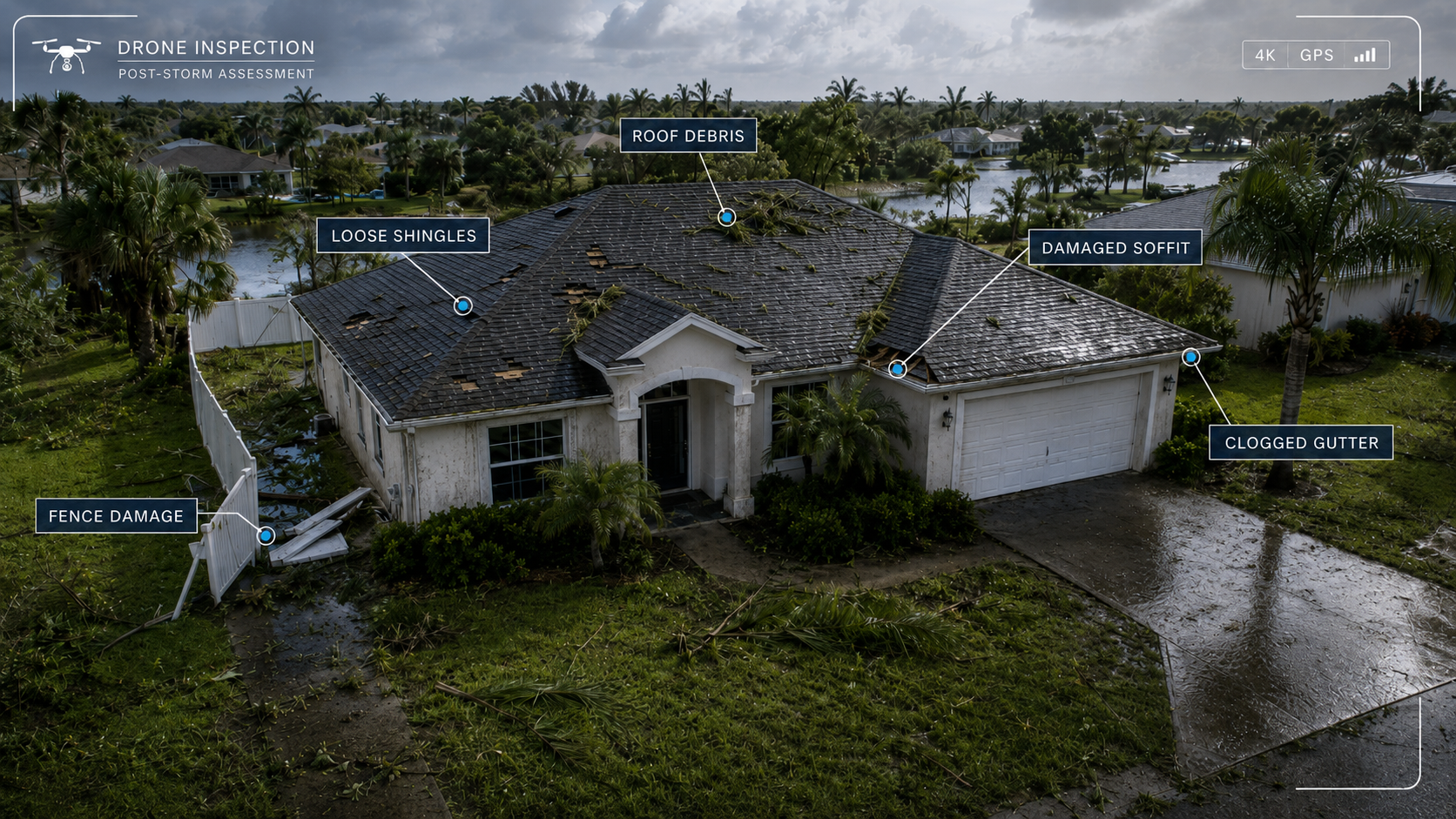
Drone footage can be especially helpful for spotting exterior issues that are difficult to see from the ground, including roof damage, loose shingles, gutters, soffits, fencing, and storm debris.
Consider documenting the property:
- Before and after major storms
- Before and after contractor work
- During extended vacancies
- After tenant move-outs or clean-outs
- As part of routine property checkups
Keeping a dated visual record can also provide useful documentation if questions arise later regarding property condition, completed work, or an insurance claim.
✅ Need local eyes on your property? We provide both as-needed as well as routinely scheduled property check-ins with photos, video, and drone footage to help owners stay informed about exterior conditions, storm impacts, contractor work, tenant move-in and move-out condition, and general property maintenance.
Contact us to request a one-time property check or ask about routine curbside check up service.
8. Build a Reliable Local Network
For out-of-state owners especially, having dependable local contacts can make managing a vacant property much easier.
Your local Central Florida property care network might include:
- Contractors
- Handymen
- Lawn companies
- Property inspectors
- Realtors
- Trusted neighbors
- Property check services
Even something as simple as having someone periodically walk the property and send updated photos can provide valuable visibility, helping to identify potential issues before they become larger problems.
9. Have a Long-Term Plan for the Property
Sometimes vacant properties are part of a transition period:
- Renovations
- Deciding whether to rent or sell
- Between tenant clean ups and tenant placement process
- Handling inheritance situations
- Waiting on probate
- Planning future investments
- The longer a property sits without a clear plan, the more carrying costs and maintenance risks tend to accumulate.
Having a strategy — even if it evolves later — usually leads to better outcomes, both financially and logistically.
✅ If you need a recommendation for a local, boots-on-the-ground rep to check on your property,
contact us.
✅ If you're thinking about selling quickly or quietly and want to avoid commissions and a complicated selling process, call or text us at (407) 300-9446 for a fast, fair cash offer.
*We are not licensed real estate professionals. This is not to be construed as real estate advice.
Recent Blog Articles